
A perfectly failed start?
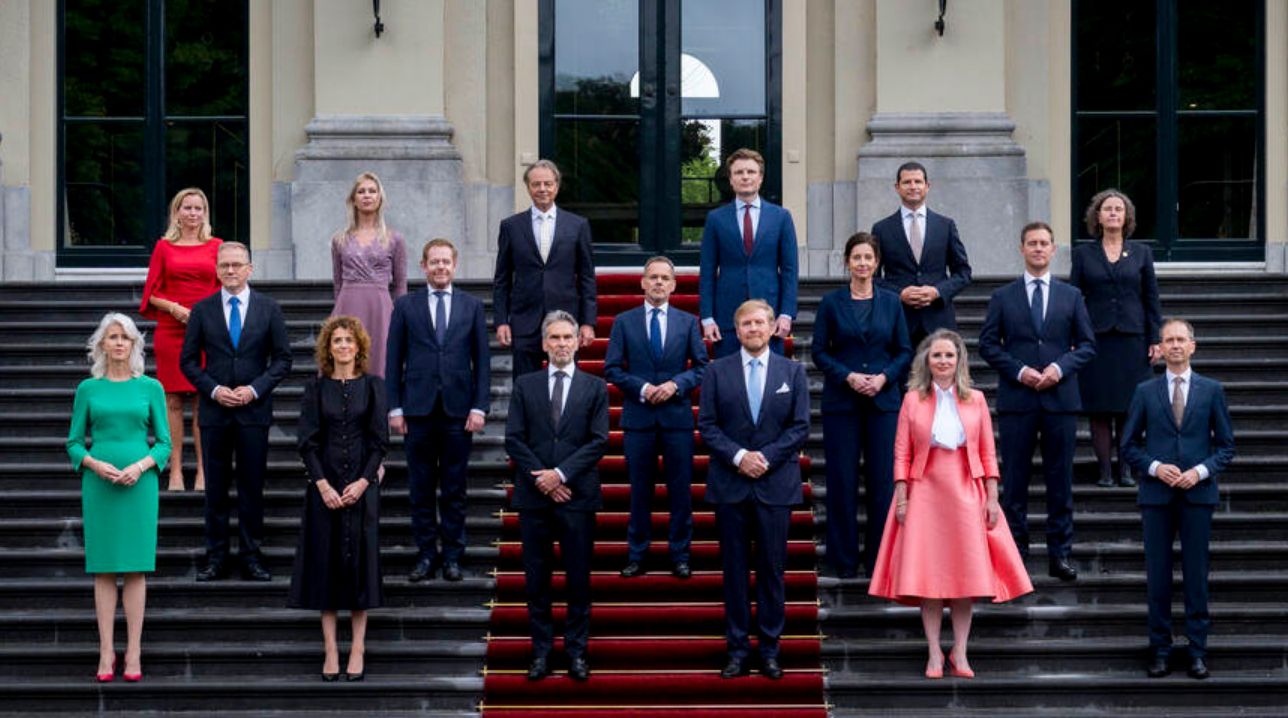
I watched with amazement the first real debate of the Schoof cabinet, the General Political Debate . The General Political Debate is the cabinet's first confrontation with the House of Representatives about the cabinet's policy for the coming year , as announced on Budget Day. The Schoof cabinet was supposed to be a special cabinet, a so-called extra-parliamentary cabinet. A cabinet in which opposition parties could also play a role.
Could the start have been worse?
In the run-up to the ABP, it was already clear that Asylum and Migration are priority number one, the spearhead of the largest party in the cabinet, the PVV.
There are even efforts underway to implement an emergency law, a route the cabinet could use to bypass parliament and achieve quick "results."
I find this approach unbelievable. It's an attack on parliamentary democracy and THE way to ruin the atmosphere in parliament right from the start.
While the cabinet may have a majority in the House of Representatives , in the Senate they have to seek support from the opposition to secure a majority.
The emergency law would be helpful in preventing potential opposition in the Senate; after all, parliament is now out of power, right ?
Although the cabinet hasn't yet decided to implement the emergency law, Minister Marjolein Faber was already busily preparing it—at least from a PR perspective. 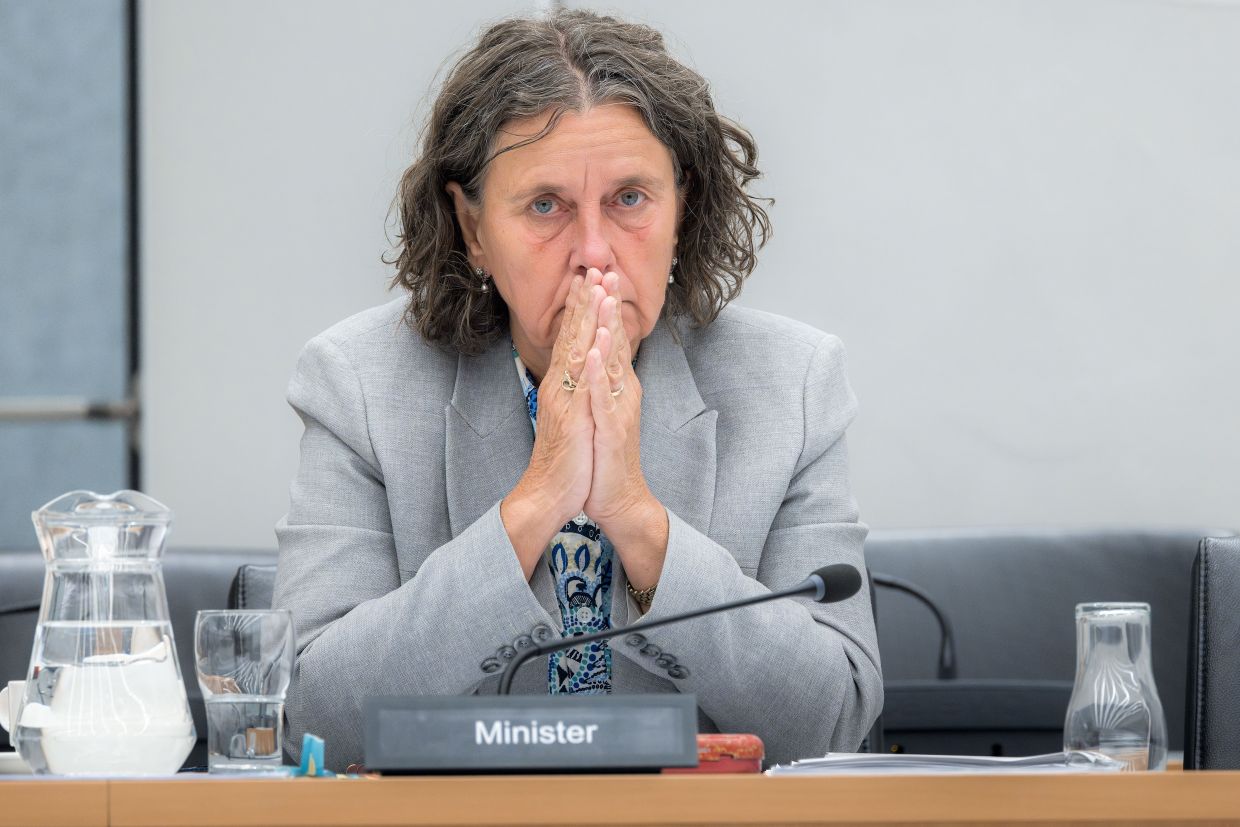 She claimed that the civil service's top lawyers had been extensively consulted and expressed complete confidence that the emergency law was the right way to address the problem.
This gave the impression that the lawyers had given the green light to proceed.
I have the feeling that Faber's attitude, in particular, led to the cabinet being tripped up in the APB debate.
The opposition demanded insight into the recommendations, because Faber gave the impression that the cabinet's decision to implement the emergency law had already been made; after all, they were busy making preparations.
After much deliberation, the cabinet finally produced the documents reporting on the measures taken in that context.
These documents revealed that virtually all legal experts had advised against the emergency law because there was no situation in which such drastic measures were permissible.
Faber's "PR drive" was also evident in the fact that, just before the debate, she had also sent a letter (in poor English?) to the European Commission about the Netherlands' intention to demand an opt-out (an escape from a regulation). Unfortunately for her, the European Commission has no say in this matter; it is the collective decision of the EU member states, and it would require amending the treaties established by the countries. An opt-out is therefore not a quick fix. The EU is, however, working on a so-called European Migration Pact, a new migration policy that involves screening migrants at the external borders and labeling asylum seekers as either promising or unpromising.
In my view, Faber would have been better off first consulting with countries like Sweden and Denmark, which have successfully achieved exceptional status, before focusing all his attention on the emergency law.
Perhaps this approach is a way to distract from several other politically interesting positions. After all, many of the coalition's promises have vanished like snow in the sun, but attention is now primarily focused on the attempts to implement the emergency law.
The opposition parties have even offered a way out by offering to pass an emergency law, but for the time being, the cabinet does not consider this appropriate.
Conclusion:
The Schoof cabinet claims to take parliament very seriously, yet its first action severely tests parliament's goodwill.
They falsely claim that the asylum problem is so serious that initiating the emergency legislation procedure is justified, while everyone knows it's not an asylum crisis but a deliberately created reception crisis. Incidentally, that crisis was already created by the previous cabinet.
A half-hearted attempt is better than a complete failure. The emergency legislation seems out of reach, yet the cabinet is nevertheless devoting all its time to preparing for it instead of readily accepting the escape route: the emergency legislation procedure.
Ultimately, we can conclude that Minister Faber is, at the very least, not telling the whole truth, but is pulling the wool over our eyes.
- Gegevens
- Geschreven door: Ton Lit
- Hits: 730

